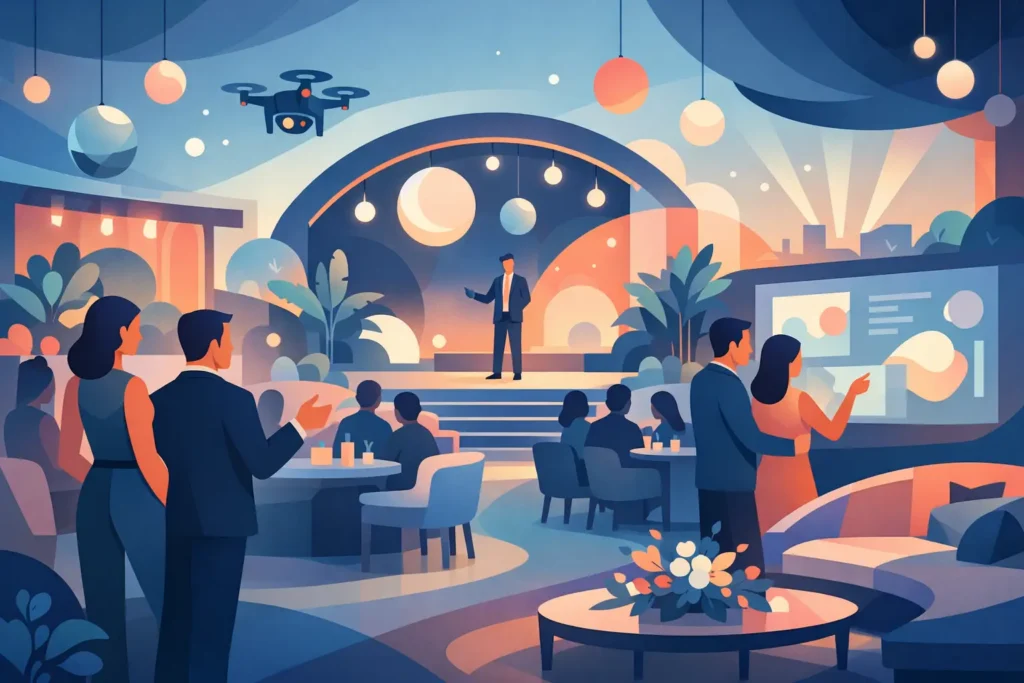
A beautiful event is no longer defined by how much décor fills the room. The strongest event design trends 2026 are centered on how guests move, connect, celebrate, and remember the occasion. For a corporate gala in Houston, a wedding in Austin, or a quinceañera in San Antonio, the goal is the same: create an experience that feels personal, polished, and effortless from the first welcome to the final farewell.
For hosts, this is good news. Thoughtful design does not have to mean chasing every new idea or adding unnecessary expense. It means making intentional choices that reflect the purpose of the event, serve the guest list well, and bring your vision to life without adding stress to your planning process.
Event Design Trends 2026: Experience Leads the Room
In 2026, event design begins with a practical question: what should guests feel when they are here? The answer may be energized and inspired for a product launch, honored and generous at a nonprofit fundraiser, or joyful and connected at a family celebration. That emotional goal guides the color palette, lighting, entertainment, menu presentation, seating plan, and even the pacing of the evening.
This is a shift away from copying a single look from social media. A candlelit reception may be perfect for an intimate anniversary dinner, but it can make a large awards program difficult to navigate or photograph. A dramatic floral installation may create a memorable entrance, but only if it complements the venue, ceiling height, guest flow, and budget. Great design considers the full picture.
Guest flow becomes part of the design
Flexible layouts are becoming a major priority. Rather than placing tables and décor first, planners are designing the room around how people will use it. Clear pathways, inviting lounge areas, accessible bars, and purposeful gathering points help an event feel comfortable even when the guest count is high.
For weddings and social celebrations, couples and families are choosing spaces that encourage guests to mingle between key moments. At corporate and nonprofit events, the layout may include intentional areas for networking, sponsor engagement, donor conversations, or quiet breaks. The right furniture placement can do as much for the guest experience as a statement centerpiece.
This approach also helps prevent a common planning problem: a room that looks impressive in photos but feels crowded in person. An experienced event team can map entrances, buffet lines, entertainment space, staging, check-in, and service access before the event day. That preparation protects both the visual design and the comfort of every guest.
Intentional Color, Texture, and Lighting
Color is becoming warmer, richer, and more layered. Instead of relying on one dominant shade, many 2026 events will use combinations that feel collected and dimensional. Think deep greens with soft champagne, terracotta with blush and cream, or midnight blue paired with warm metallic accents. These palettes can be elegant without feeling overly formal.
Texture is equally important. Linen, velvet, natural wood, woven details, sculptural florals, and mixed glassware add visual interest without requiring every surface to be heavily decorated. For a Texas event, this can mean blending elevated finishes with materials that feel welcoming and grounded rather than overly staged.
Lighting remains one of the most valuable design investments because it changes the atmosphere instantly. Soft pin lighting can make centerpieces feel more luxurious. Uplighting can give a ballroom depth and color. Custom monograms, projected patterns, and carefully placed spotlights can focus attention during speeches, performances, and milestone moments.
The trade-off is that lighting should support the program, not compete with it. A dramatic color wash may be exciting during a dance set, while warm, flattering light is better for dinner, conversation, and photography. Planning for lighting changes throughout the evening creates a more polished result than treating it as a single setup item.
Florals become more expressive and strategic
Florals are moving beyond identical centerpieces on every table. In 2026, expect more varied floral moments: a statement installation at the entrance, low arrangements that preserve conversation, bud vases for texture, and focused blooms around the head table, stage, cake, or dance floor.
This approach allows hosts to place their investment where it will have the greatest impact. It can also make the overall design feel more natural and less repetitive. Seasonal flowers and locally available options are often smart choices, especially when budget and sustainability are both priorities.
For clients who want a high-impact look without filling every corner with flowers, a planner can combine florals with candles, draping, specialty linens, lounge furniture, and lighting. The result is layered and elevated while remaining aligned with the event’s financial plan.
Personalization With a Purpose
The most memorable events in 2026 will feel unmistakably connected to the people or organization behind them. Personalization is showing up in more meaningful ways than a name on a welcome sign. It can appear through a menu that reflects family heritage, a custom scent at a brand experience, a visual timeline at an anniversary celebration, or music that tells a couple’s story.
For quinceañeras and Sweet 16 celebrations, personalization may include a grand entrance designed around the honoree’s style, coordinated entertainment, a custom dance floor, or a dessert display that becomes part of the décor. For nonprofit galas, it may mean using design to make the mission visible through impact displays, meaningful table names, and a program that makes supporters feel valued.
The key is restraint. Not every detail needs a logo, monogram, or custom phrase. A few well-executed personal touches are more powerful than a room full of competing messages. When design details have a clear connection to the guest of honor, the organization, or the occasion, they feel authentic rather than decorative for decoration’s sake.
Hospitality Is a Design Detail
One of the most practical event design trends 2026 brings forward is elevated hospitality. Guests notice when arrival is confusing, the bar line is too long, seating is uncomfortable, or they do not know what happens next. Those operational details shape the atmosphere just as much as flowers and furniture.
A welcoming entry experience, clear event signage, friendly staff, accessible seating, water stations, and thoughtful timing make guests feel cared for. At a summer event in Texas, shade, cooling options, and hydration are not extras. They are essential design decisions. At a formal dinner, the pace of service and placement of tables can determine whether guests feel relaxed or rushed.
Food and beverage presentation also continues to become more interactive. Chef-attended stations, refined late-night bites, customized mocktails, and beautifully styled dessert displays give guests more ways to engage. However, these experiences need the right staffing, service plan, and room layout to work well. A visually exciting station that creates a bottleneck can quickly become frustrating.
Sustainable Choices That Still Feel Elevated
Sustainability is increasingly part of client conversations, but it does not require a rustic look or a limited design. In 2026, many hosts will choose reusable rentals, digital event communications, seasonal flowers, repurposed ceremony arrangements, and donation plans for florals or leftover food where available.
The best sustainable choices are the ones that fit naturally into the event plan. Renting quality décor can be more efficient than buying single-use items. Designing one floral installation to transition from ceremony to reception can be both dramatic and practical. Reducing printed materials may save money while making guest communication easier to update.
It depends on the event’s priorities. A large conference has different opportunities than a private birthday dinner, and some sustainability choices may carry higher upfront costs. The goal is not perfection. It is making informed decisions that reduce waste without sacrificing hospitality or the visual standard you want to achieve.
Bringing Trends Into a Plan That Works
Trends should provide inspiration, not pressure. The right design for your event depends on your venue, guest count, budget, timeline, and the level of production required. A design concept that shines at a 75-person wedding may need a completely different approach for a 500-person fundraiser or a multi-day corporate conference.
At Adam’s Event Planning, we help clients turn inspiration into an organized, customized plan that accounts for every moving part, from vendor coordination and venue design to staffing, entertainment, and onsite management. That structure gives you room to enjoy the creative process while knowing the details are being handled with care.
Choose the ideas that make your guests feel welcomed, celebrated, and connected to the moment. When every design decision has a purpose, the event will feel current long after the trends have changed.