A beautifully designed venue can set the scene, but guests remember how they were treated. Were they welcomed promptly? Did they know where to go? Was dinner served with care, and did someone notice when a family member needed help? Event staffing and hospitality services turn those small, highly visible moments into an experience that feels polished, personal, and under control.
For a wedding, corporate conference, fundraiser, or quinceañera, staffing is not simply a matter of filling positions. It is a guest-experience strategy. The right team protects the schedule, supports vendors, answers questions before they become problems, and allows hosts to enjoy the people they invited instead of directing traffic across the room.
Why event staffing and hospitality services matter
Every event has a rhythm. Guests arrive, check in, find their seats, visit the bar, move between activities, and eventually depart. When that rhythm is well managed, the occasion feels effortless to the people attending. When it is not, even an exceptional menu or impressive décor can be overshadowed by long lines, unclear directions, missed cues, or overwhelmed family members.
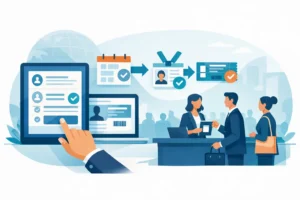
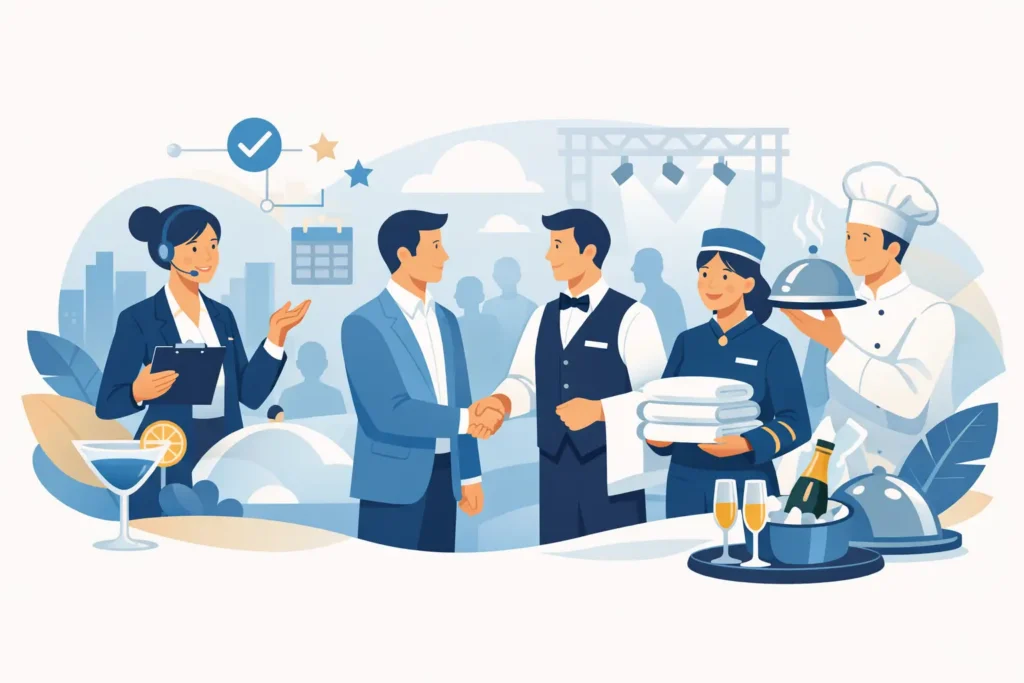
Hospitality staff provide a warm human presence at the points where guests need it most. They may welcome attendees at registration, escort VIPs, assist with seating, monitor guest comfort, distribute programs, support a gift table, or coordinate a smooth exit. Their work is especially valuable when a host wants to be present for the celebration rather than pulled away to answer practical questions.
Professional event staff also create accountability behind the scenes. A designated team member can confirm that the caterer is ready before doors open, help the DJ receive a revised timeline, guide speakers to the stage, or make sure late arrivals are handled discreetly. These details rarely receive applause, but they are often the reason an event feels calm and intentional.
Staffing should match the event, not a generic checklist
The right staffing plan depends on the guest count, venue layout, program complexity, service style, and expectations of the host. A 75-person anniversary dinner may need a small hospitality team focused on greeting, setup support, and guest assistance. A 500-person nonprofit gala with a silent auction, sponsor tables, dinner service, and a live program requires a more layered approach.
Weddings and milestone celebrations
At weddings, quinceañeras, Sweet 16s, and family celebrations, staffing protects the emotional experience. Parents and couples should not be managing the gift table, locating missing members of the wedding party, or explaining the reception schedule all night. Hospitality professionals can guide guests, assist elderly relatives, help coordinate entrances, and keep key areas organized without making the event feel overly formal.
The best approach is discreet. Staff should be visible when guests need support and nearly invisible when the focus belongs on the couple, birthday honoree, or family. That balance requires preparation, clear communication, and an understanding that personal celebrations carry meaningful family traditions.
Corporate events and conferences
For corporate gatherings, staffing often supports both brand presentation and operational control. Registration teams create the first impression. Floor staff can direct attendees toward breakout sessions, refresh materials, assist speakers, and keep an eye on high-traffic areas. Executive guests, sponsors, and clients may need a more personalized arrival and seating experience.
The trade-off is that corporate events can become too rigid if every interaction feels scripted. Strong hospitality service is professional without sounding impersonal. Staff should know the event objectives, key contacts, and program flow while remaining approachable enough to help a first-time attendee feel comfortable.
Fundraisers and galas
Nonprofit events ask guests to be generous, social, and engaged with a mission. That calls for attentive service at registration, donor recognition areas, auctions, raffles, and table seating. A capable staffing team helps protect the energy of the room by reducing confusion around bidding, payment, program transitions, and guest departures.
For galas, it is also wise to plan for VIP support. Board members, sponsors, honorees, and speakers often have different arrival times and responsibilities. Giving them a clear point of contact prevents last-minute questions from landing on the event chair or development director.
What a well-managed staffing plan includes
An effective plan begins before event day. Roles should be assigned according to the actual guest journey, not assumptions. A venue with two entrances may need greeters in more than one location. A program that begins immediately after cocktails may require staff to encourage guests toward the ballroom before the first speech starts.
A full-service planning team typically considers registration and greeting, guest direction, seating support, VIP assistance, vendor communication, décor monitoring, timeline coordination, and end-of-event wrap-up. Not every event requires every role. The goal is appropriate coverage, not an unnecessarily large team.
Staffing schedules should also include breaks and backups. People cannot provide gracious service if they are assigned too many competing tasks for several hours without relief. For large events, one lead should be responsible for making decisions and communicating updates, while team members focus on their designated zones or responsibilities.
The difference between event staff and hospitality staff
These terms are often used together, but they serve slightly different purposes. Event staff are generally focused on logistics: setup, timing, vendor coordination, registration, room resets, and operational support. Hospitality staff focus on the guest-facing side: welcoming, assisting, directing, and creating an attentive atmosphere.
At many events, the roles overlap. A team member helping a guest find their table is delivering hospitality, while also keeping the reception on schedule. The distinction matters during planning because both functions need attention. An event can be technically organized yet feel cold, or warmly welcoming yet become disorganized behind the scenes.
The strongest events plan for both. Guests should feel cared for, and vendors should have clear direction. Hosts should feel supported, and the timeline should have someone actively managing it.
Questions to ask before hiring event staff
Before selecting a staffing provider or building a plan with your planner, consider the questions that shape the level of support you need. How many guests are expected, and when will they arrive? Are there multiple entrances, parking challenges, or accessibility considerations? Will there be a formal program, plated meal, auction, cultural tradition, or entertainment changeover? Who will make decisions if the schedule changes?
It is equally helpful to think about the host experience. If you want to greet every guest personally, you may need more support at registration and seating. If you are hosting a fundraiser, you may need trained staff near auction stations and donor check-in. If your family is traveling from out of town, a hospitality team can make arrival and directions much easier for everyone.
A realistic budget conversation matters here. Cutting staffing may reduce an upfront expense, but it can leave a venue manager, caterer, family member, or internal employee handling duties outside their role. In some smaller gatherings, that may be manageable. At a high-stakes event, it can create avoidable stress and inconsistent guest service.
Bringing thoughtful service to the full event experience
At Adam’s Event Planning, staffing is considered alongside the full event picture: venue flow, vendor responsibilities, design, timing, and the way guests should feel from arrival through farewell. That integrated view helps prevent the common gaps that occur when each vendor is working well individually but no one is coordinating the complete experience.
The most successful staffing plans are built around your priorities. Some clients want refined, formal service for a gala. Others want friendly, energetic support for a birthday party or company celebration. Both deserve organization, professionalism, and a team that understands what matters most to the host.
When guests can focus on the toast, the music, the conversation, and the reason they gathered, hospitality has done its job. Give your event the support it needs, and give yourself permission to be fully present for the moments you worked so hard to create.