If you have ever asked for event help and heard someone mention planning, production, or both, you are not alone. The difference between event production vs event planning is one of the most common points of confusion for clients, especially when the event feels too important to leave to guesswork.
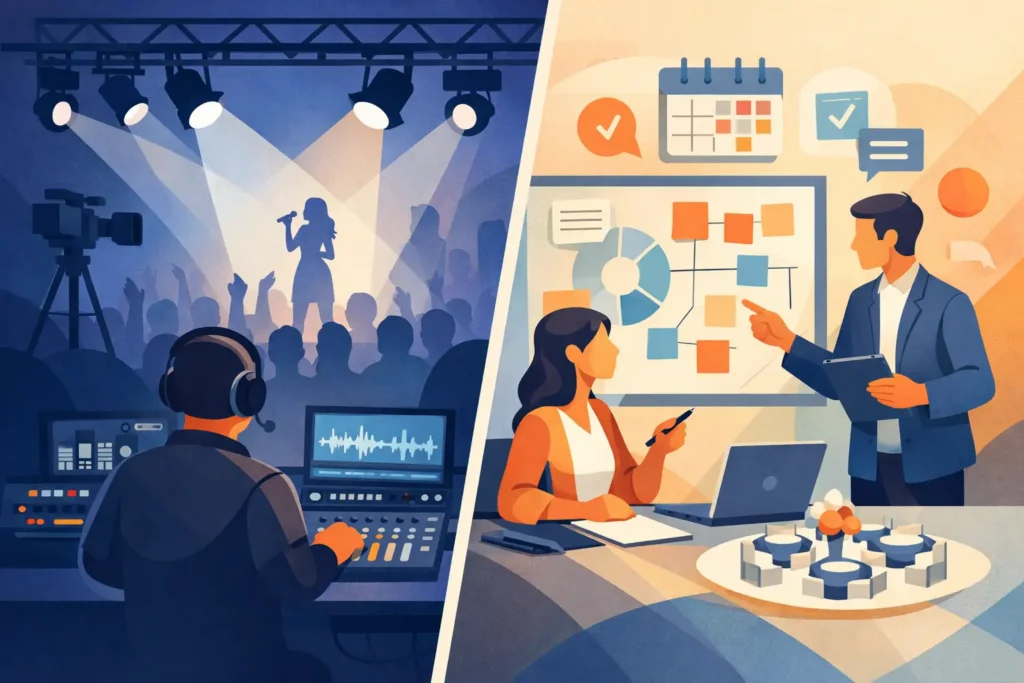
The short version is this: event planning shapes the event from the ground up, while event production brings the experience to life in real time. Planning is the strategy, coordination, and decision-making behind the scenes. Production is the technical, operational, and visual execution that guests actually see, hear, and feel. Both matter, and on many events, you need them working together.
What event production vs event planning really means
Event planning usually starts first. It covers the big-picture direction and the many moving parts that need to come together before event day. That can include defining goals, building a budget, selecting a venue, managing timelines, coordinating vendors, organizing guest logistics, and making sure every decision supports the overall vision.
Event production is more focused on execution. It deals with how the event functions as a live experience. That can include staging, lighting, audio, video, floor plans, entertainment flow, décor installation, cueing, staffing, and onsite show management. If planning answers, “What are we creating?” production answers, “How will this actually happen?”
This is where many clients get tripped up. They assume hiring a planner automatically covers every production detail, or they hire a production team and expect full planning support. Sometimes there is overlap. Sometimes there is not. The difference depends on the provider, the event type, and the complexity of the experience you want to create.
Event planning focuses on decisions before the event
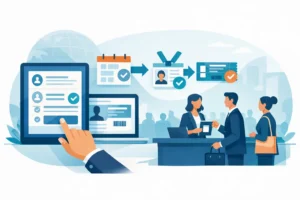
A planner is often the person protecting the entire process from becoming overwhelming. For a wedding, that may mean helping a couple choose the right venue, manage the budget, book a caterer, organize rentals, create a timeline, and coordinate the ceremony and reception logistics. For a corporate event, it may mean aligning the event with business goals, confirming presenters, managing guest registration, and keeping vendors and deadlines on track.
Planning is about structure, communication, and control. It keeps the event from becoming a collection of disconnected ideas. A strong planner is looking at the client experience, the guest experience, and the practical details all at once.
That matters because beautiful ideas can fall apart quickly without planning discipline. A ballroom may be stunning, but if load-in timing is unrealistic, if the vendor schedule conflicts, or if guest transportation is overlooked, the event becomes stressful fast. Good planning prevents those problems before they reach the room.
Common responsibilities in event planning
Planning typically includes budget guidance, vendor sourcing, scheduling, contract review, guest management, design coordination, and ongoing communication. It may also cover seating charts, RSVP tracking, hospitality details, rehearsal coordination, and post-event wrap-up depending on the event.
For milestone celebrations like quinceañeras, Sweet 16s, anniversaries, and weddings, planning often includes balancing personal style with family priorities, venue rules, and timing. For nonprofit and corporate events, planning tends to include more operational layers, such as sponsorship elements, program timing, donor or VIP handling, and brand consistency.
Event production focuses on the live experience
Production takes the approved plan and turns it into a functioning environment. This is where the atmosphere, energy, and pacing of the event are built. Lighting changes the mood. Audio determines whether guests can hear and engage. Staging affects visibility and flow. Entertainment coordination keeps the experience moving without awkward gaps.
Production is especially important when the event includes presentations, performances, custom décor, multiple program elements, or a highly designed guest experience. Even a private event can require real production oversight if it includes specialty lighting, draping, dance floors, live music, video playback, or a detailed run of show.
In other words, production is not just for giant conferences or concerts. It matters anywhere execution needs to feel polished.
Common responsibilities in event production
Production often includes audiovisual coordination, setup and breakdown schedules, floor plan implementation, décor installation, technical direction, entertainment timing, staffing oversight, and onsite troubleshooting. It can also involve cue sheets, stage management, power planning, and coordinating the sequence of what happens when.
This work is highly time-sensitive. On event day, production decisions happen quickly. If a microphone fails, if weather affects an outdoor setup, or if a program runs behind, the production team adjusts in real time to protect the guest experience.
Why the difference matters to clients
Understanding event production vs event planning helps you ask better questions before you hire anyone. It helps you avoid gaps in service. And it gives you a clearer picture of what kind of support your event truly needs.
If you only need help choosing vendors, organizing logistics, and keeping decisions on track, planning may be enough. If your event already has a clear direction but needs staging, technical support, and onsite management to pull it off, production may be the bigger need. But for many clients, especially those hosting weddings, galas, conferences, or major family celebrations, separating the two too strictly creates unnecessary risk.
That is because the handoff between planning and production can be where details get lost. A planner may know the client’s priorities, but if the production team is brought in too late, key decisions may already limit what is possible. On the other hand, a production team may execute beautifully, but if no one has fully managed guest flow, budget priorities, or vendor coordination beforehand, the event can still feel disjointed.
When you need planning, production, or both
A smaller birthday dinner at a restaurant may need planning support but very little production. A fundraising gala with a stage program, auction, lighting, sponsor displays, and a live band almost always needs both. A wedding with custom décor, ceremony audio, entertainment, and a tightly managed timeline also benefits from integrated planning and production.
It depends on complexity, guest count, venue requirements, and expectations. It also depends on how involved you want to be. Some clients enjoy making decisions but do not want to manage execution. Others want a partner from the first concept meeting all the way through the final breakdown.
For clients in Texas planning events across cities like San Antonio, Austin, or Houston, this distinction matters even more because venues, vendor teams, travel timing, and local logistics can vary widely. The more moving parts involved, the more valuable it becomes to have one team overseeing both the strategy and the execution.
The strongest events connect planning and production
The best events do not treat planning and production as separate silos. They treat them as connected disciplines. The planning side protects the vision, the budget, and the logistics. The production side protects the guest experience in the room. When those two functions are aligned from the start, events feel more polished, more intentional, and far less stressful for the host.
That integrated approach is especially helpful for clients who want one reliable point of contact instead of juggling multiple providers. It reduces miscommunication. It keeps design decisions realistic. And it allows the event to be customized without losing control of timing, staffing, or budget.
At Adam’s Event Planning, that full-service approach is a major advantage because clients are not forced to piece together separate teams and hope they stay aligned. Planning, production, décor, entertainment coordination, and onsite management can work together as one experience, which is often what makes an event feel effortless to the people attending it.
Questions to ask before hiring
Before you sign with any event partner, ask what is actually included. Does planning cover vendor communication from start to finish? Does production include technical management and onsite coordination? Who builds the timeline? Who manages setup? Who directs the event as it unfolds? Who handles problems when something changes at the last minute?
These questions are not about making the process complicated. They are about making expectations clear. A polished event rarely happens by accident. It happens because someone has taken ownership of both the details you see and the ones you never have to think about.
If you are deciding between event production vs event planning, the right answer is often not one or the other. It is the level of support required to make your event feel calm, coordinated, and fully realized. When the vision, logistics, and execution are all covered, you get something every host wants – the freedom to be present for the moment you worked so hard to create.