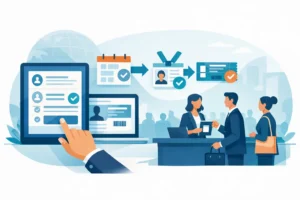

Some events look simple until you start making the calls. A venue asks for a deposit timeline, a caterer needs a headcount estimate, the entertainment team wants a run of show, and suddenly your celebration or company event feels less exciting and more like a second job. That is exactly where a free event planning consultation can make a real difference. It gives you a clear starting point, professional guidance, and a practical sense of what your event will actually require before you commit to a full planning package.
For many hosts, the hardest part is not choosing colors or themes. It is figuring out how all the moving parts fit together. Whether you are planning a wedding in Austin, a nonprofit gala in Houston, a quinceañera in San Antonio, or a private celebration anywhere in Texas, the earliest decisions often shape everything that follows. A consultation helps bring order to those decisions.
Why a free event planning consultation matters
A strong event starts with clarity. Not just a vision board or a Pinterest save folder, but clarity around guest count, budget range, venue requirements, staffing needs, vendor priorities, and timing. Without that foundation, even beautiful ideas can become expensive, stressful, or difficult to execute.
A free event planning consultation is valuable because it lets you pressure-test your plans with someone who understands event logistics at a professional level. That does not mean every answer will be simple. Some events need a large design budget to achieve a specific look. Some venues create restrictions that affect entertainment, catering, or load-in times. Some timelines are workable, but only with the right team in place. The consultation is where those realities come into focus.
That kind of honesty is useful. It protects you from underestimating the work, overbooking your schedule, or investing in the wrong priorities too early.
What happens during a free event planning consultation
The best consultations are not sales pitches disguised as advice. They are focused working conversations built around your event goals.
In most cases, the discussion begins with the basics – what type of event you are planning, when it will happen, where it will be held or where you hope to host it, and how many guests you expect. From there, the conversation usually moves into the details that affect execution most: your budget range, your style preferences, any must-have vendors or traditions, and the areas where you need the most support.
If you are planning a corporate event, the consultation may focus more heavily on brand presentation, attendee flow, registration, staging, entertainment, audiovisual coordination, and hospitality. If you are planning a wedding or milestone celebration, the conversation may lean more into design direction, family priorities, ceremony and reception logistics, vendor sourcing, and guest experience. For nonprofit events, donor engagement, program timing, auction flow, and sponsorship visibility may take center stage.
This is also the point where an experienced planner can identify gaps you may not have considered. Maybe your guest count is too large for the venue style you want. Maybe your timeline is tight, but still realistic if certain decisions are made quickly. Maybe you need partial planning instead of full-service support. Maybe you need full production because the event involves rentals, entertainment, décor, staffing, and a custom layout from the ground up.
The questions you should expect to answer
A consultation works best when it is specific. You do not need every detail finalized, but you should be ready to talk through the shape of the event.
Expect questions about the purpose of the event and what success looks like to you. That answer matters more than people realize. A wedding may be centered on elegance and guest comfort. A corporate launch may be focused on professionalism, pacing, and impact. A Sweet 16 may be all about energy, personalization, and memorable design moments. Once the goal is clear, planning becomes more intentional.
You should also expect questions about your budget comfort zone. This is not about pressure. It is about alignment. A realistic planner will not pretend every vision fits every budget, and that is a good thing. The right guidance helps you spend where it matters most and make smart trade-offs where it does not.
You may also be asked about your availability, your decision-making process, and whether family members, company stakeholders, or committee members need to be involved. These practical details affect timelines and communication. An event can have a beautiful concept and still run into trouble if approvals are slow or responsibilities are unclear.
What you should ask during the consultation
The consultation is your opportunity too. Ask how the planning process works from first concept through event day. Ask what services are included and where customization comes in. Ask how vendor recommendations are handled, how communication is managed, and what kind of onsite support is available.
It is also smart to ask how the planner approaches budgets, revisions, and event changes. Some events stay very close to the original plan. Others shift as guest counts grow, venues change, or priorities evolve. You want a planner who can adapt without losing control of the bigger picture.
If your event is high-stakes, ask about experience with similar event types. Corporate programs, galas, weddings, quinceañeras, and private parties all have different pressure points. Broad experience matters, but category-specific insight matters too.
A consultation is not only for large events
One common misconception is that a free event planning consultation is only useful for big-budget weddings or major corporate productions. In reality, smaller events often benefit just as much.
A private birthday dinner with elevated décor still needs the right venue setup, vendor timing, and guest coordination. A family celebration may involve cultural traditions, multiple generations, and sensitive scheduling needs. A nonprofit luncheon may be smaller than a gala, but still require polished execution and donor-facing professionalism.
The size of the event does not always determine the complexity. Sometimes a 50-person event has tighter constraints than a 300-person one. The question is not simply how many guests you are inviting. It is how much coordination, customization, and support the event needs to feel smooth from start to finish.
How a consultation helps you avoid expensive mistakes
Early planning mistakes tend to be the ones that cost the most. Booking a venue before confirming your layout needs, underestimating staffing, choosing vendors without understanding contract terms, or building a timeline that leaves no room for setup delays can all create unnecessary pressure later.
A consultation helps catch those issues before they become problems. It can reveal where your budget should be protected, where flexibility exists, and where professional management will save time and stress. That does not mean every event needs the same level of service. Sometimes day-of coordination is enough. Sometimes partial planning makes sense. Sometimes the smartest path is full-service support from the beginning.
That is one of the biggest advantages of speaking with an experienced team. You get recommendations based on the event you are actually planning, not a generic package that ignores the details.
What to bring to your free event planning consultation
Come prepared with the information you already have. A preferred date range, a rough guest count, your budget target, venue ideas, inspiration images, and any booked vendors will all help move the conversation forward. If you have competing priorities, mention those too. Maybe you want a visually impressive event without overcomplicating logistics. Maybe you need a formal program that still feels warm and inviting. Maybe your budget needs to cover both design and entertainment without sacrificing hospitality.
You do not need polished answers. You just need enough context for a productive conversation.
That is where a team like Adam’s Event Planning can be especially helpful. When planning and production are handled together, it becomes easier to connect the creative vision with the operational details that make the event successful.
When to schedule a free event planning consultation
Sooner is usually better, especially if your event date is tied to a busy season or a specific venue market in Texas. Popular venues and vendors book quickly, and early planning gives you more options, more leverage, and more room to make thoughtful decisions.
That said, not every client reaches out months in advance. Some come in with a short timeline and need immediate structure. A consultation can still be valuable in that situation. It helps establish what is possible, what needs to happen first, and what level of support will create the best outcome under the circumstances.
A good event does not happen by accident. It comes from strong planning, clear communication, and experienced execution. If you are carrying too many details on your own, asking for guidance is not a last resort. It is often the smartest first move.