
A ballroom can look beautiful on a site visit and still become stressful by 6:15 p.m. if the caterer cannot access the loading dock, the band needs another power drop, and guests are arriving before the welcome signage is in place. When clients ask, “what does event producer do?” the answer is simple: they turn a vision into a real, well-managed experience where every moving part works together.
An event producer is responsible for the full picture of an event, from the first creative conversation through the final guest departure. They guide the atmosphere, coordinate the people and vendors who create it, and make informed decisions in real time when plans need to change. For a wedding, gala, quinceañera, corporate launch, or milestone birthday, that level of oversight gives the host room to be present rather than manage logistics.
What Does an Event Producer Do Before the Event?
Before guests see a single centerpiece or hear the first song, an event producer is building the framework that makes the occasion possible. This starts with understanding the purpose of the event. A nonprofit gala may need to inspire giving and recognize sponsors. A corporate conference may need clear programming, polished branding, and reliable guest flow. A quinceañera should feel personal to the family while keeping a large celebration on schedule.
From there, the producer helps translate ideas into a cohesive event plan. That can include developing a theme, selecting a venue that fits the guest count and format, shaping the event layout, and establishing a realistic budget. Creative choices matter, but they must also work in the actual space. A dramatic stage design, for example, needs to account for ceiling height, sightlines, power access, load-in restrictions, and the room needed for dining or dancing.
A producer also builds the production timeline. This is more detailed than an invitation schedule. It maps when vendors arrive, where they unload, when décor is installed, when sound checks happen, when food service begins, and how the program transitions from one moment to the next. A strong timeline protects the guest experience because it anticipates the work happening behind the scenes.
Vendor Direction and Budget Stewardship
Vendor management is a major part of event production. The producer identifies the right partners for the event’s style, priorities, and budget, then keeps everyone working from the same plan. Caterers, florists, rental teams, photographers, DJs, entertainers, audiovisual crews, transportation providers, and staffing teams all have different needs and schedules.
The goal is not simply to book vendors. It is to coordinate their work so no detail is isolated. The florist needs the final table layout. The rental company needs accurate quantities and delivery windows. The DJ needs the correct pronunciation of names and the timing for special dances. The caterer needs to know when speeches will happen so service is not interrupted.
Budget guidance requires the same level of care. Every event has trade-offs. A client may choose a premium venue and simplify décor, or invest in entertainment and adjust the menu format. An experienced producer helps clients spend where it will make the greatest impact while protecting essential logistics such as staffing, lighting, permits, insurance, and contingency planning.
An Event Producer Shapes the Guest Experience
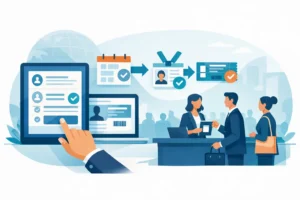
Production is not only about equipment, schedules, and vendor calls. It is about how guests feel from the moment they arrive. A producer considers the details that create comfort, clarity, and excitement: parking and valet coordination, registration or check-in, signage, seating, lighting, music levels, accessible pathways, temperature, and the pace of the program.
For a corporate event, this may mean creating a polished registration experience and making sure presentations begin without technical delays. For a wedding, it may mean ensuring guests move comfortably from ceremony to cocktail hour while the couple has time for photos. For a fundraiser, it could mean staging a meaningful program that builds energy before the donation appeal.
The best event experiences feel effortless to attendees. That does not happen by accident. It comes from careful decisions about what guests need to know, where they need to go, and what they should experience next.
What Happens Onsite During Event Production?
On event day, the producer becomes the central point of coordination. They arrive early, review the venue, confirm deliveries, check the setup against the approved plan, and make sure the event team knows its responsibilities. If an issue appears, they address it quickly and discreetly.
This can include adjusting a floor plan after seeing a room in person, finding a solution when weather affects an outdoor setup, coordinating a late vendor arrival, or revising the order of the program when a speaker is delayed. Not every change needs to concern the host. A producer assesses the impact, communicates with the right people, and keeps the event moving forward.
During the celebration, they manage cues and transitions. They coordinate when doors open, when guests are invited to dinner, when the first dance begins, when a video plays, or when a speaker takes the stage. They also oversee staff and vendor communication so the host is not answering questions about candles, microphones, cake service, or table changes while trying to enjoy their own event.
That onsite leadership is especially valuable for high-stakes occasions. A large guest count, a multi-part program, a complex venue, or several entertainment elements can create dozens of decisions in a single hour. Production support brings order to that activity without making the event feel rigid.
Event Producer vs. Event Planner: Is There a Difference?
The roles often overlap, and the difference depends on the event and the service provider. An event planner typically focuses on organizing the event from the client side: budget, venue research, vendor selection, guest coordination, contracts, and the overall planning process. An event producer focuses heavily on bringing the event to life through design execution, technical coordination, timing, staffing, and onsite management.
For many clients, separating these roles is unnecessary. A full-service team can provide both planning and production, creating one point of contact from concept through cleanup. This integrated approach reduces missed handoffs because the team that understands the original vision is also present to execute it.
For a smaller event with a straightforward venue and limited vendors, planning support or month-of coordination may be enough. For a large wedding, gala, conference, or celebration with décor installations, entertainment, audiovisual needs, and a detailed program, full production support is often the better fit. The right level of service depends on complexity, not just guest count.
Why Full-Service Production Brings Peace of Mind
Hiring an event producer is not about giving up control of your event. It is about having a trusted expert protect the details while keeping your priorities at the center. You still make the meaningful choices: the feeling you want to create, the people you want to honor, the traditions that matter, and the moments guests should remember. The producer turns those choices into an organized plan.
At Adam’s Event Planning, full-service support can bring planning, design, vendor coordination, décor, entertainment, hospitality, and onsite management under one experienced team. That matters when an event has many details but should still feel personal and welcoming.
A well-produced event lets the host look around the room and see what they hoped for: guests engaged, the program on track, and a celebration that feels thoughtfully made for the people in it. That is the real value of production – not just that everything happened, but that you were free to enjoy it happening.