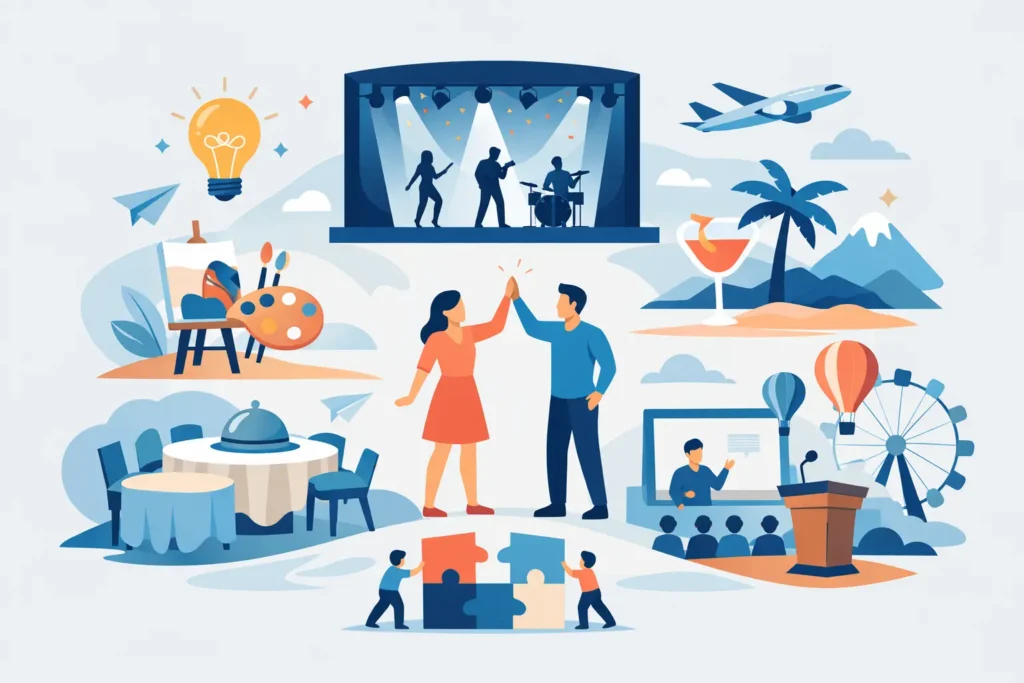
A packed ballroom, a beautiful venue, and a good menu are not enough on their own. Guests remember events that feel intentional from the moment they arrive. That is why creative event concept ideas matter so much. A strong concept gives your event a point of view, helps every detail feel connected, and turns planning decisions into a clear, confident process instead of a guessing game.
For clients planning weddings, corporate gatherings, quinceañeras, fundraisers, and private celebrations, the goal is rarely to be different just for the sake of it. The real goal is to create an experience that feels personal, polished, and easy for guests to enjoy. The right concept does exactly that. It guides your décor, entertainment, food, lighting, signage, guest flow, and even the way the evening unfolds.
What makes creative event concept ideas actually work
A concept is not the same as a theme board full of pretty images. It is a planning framework. When it is done well, it answers a few practical questions at once: What should this event feel like? What should guests remember? What details deserve the budget, and what can stay simple?
That matters because every event has constraints. Some have a tight budget but a strong guest list. Others have a stunning venue but limited setup time. Some need to impress sponsors, while others need to honor a family milestone. Great concepts are creative, but they also respect logistics.
The most successful event concepts usually share three traits. They are specific enough to feel memorable, flexible enough to support real planning decisions, and aligned with the host’s priorities. If a concept looks impressive on paper but creates a confusing guest experience or stretches the budget in the wrong places, it is not the right fit.
12 creative event concept ideas for different kinds of events
1. Modern Texas luxe
For Texas clients, this concept works especially well because it feels rooted in place without leaning into clichés. Think refined western textures, warm neutrals, statement floral design, elevated lounge seating, and a menu that nods to regional flavor in a polished way.
This works beautifully for weddings, donor dinners, and corporate receptions. The strength of this idea is that it can feel upscale and welcoming at the same time. The trade-off is that restraint matters. Too many rustic elements can make it feel casual when the goal is elevated.
2. After-dark elegance
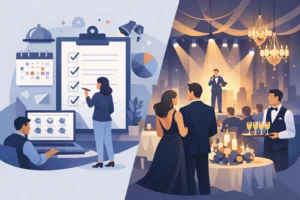
This concept is built around mood. Rich colors, dramatic lighting, candle-style ambience, velvet textures, and a later-evening energy create a sophisticated experience that feels immersive from the first cocktail to the last dance.
It is an excellent choice for galas, formal birthdays, and black-tie celebrations. Lighting does much of the heavy lifting here, which can be budget-friendly in some venues and more production-heavy in others. The venue itself matters a lot. A bright, generic room may need significant transformation to support this look.
3. Garden party with structure
A garden concept can quickly become overused if it is too loose. What makes this version stronger is the structure behind it. Instead of simply adding florals and calling it done, the event is built around a fresh, airy guest experience with thoughtful seating, layered textures, light entertainment, and a menu that feels seasonal.
This works well for bridal showers, luncheons, nonprofit events, and daytime celebrations. It creates an easy elegance that guests respond to immediately. The challenge is weather, especially in Texas, so a backup plan for shade, cooling, or indoor transition is essential.
4. Milestone story concept
For quinceañeras, Sweet 16s, anniversaries, and retirement parties, one of the strongest approaches is to build the event around the guest of honor’s story. That could mean incorporating favorite colors, meaningful music eras, custom visual moments, signature foods, or a timeline of personal milestones woven into the design.
This concept works because it feels deeply personal without requiring a gimmick. It also gives families a clear way to prioritize details. If the story is the center, every design choice has a reason behind it.
5. Editorial monochrome
A monochrome concept uses one main color family across décor, florals, attire accents, paper goods, and lighting. Done well, it feels modern, luxurious, and highly intentional. Done poorly, it can feel flat.
This is often a smart option for corporate events, modern weddings, and product launches because it photographs beautifully and creates a strong visual identity. The secret is texture. Satin, acrylic, florals, soft draping, and lighting variation keep a single-color palette from becoming one-note.
6. Interactive tasting experience
Instead of making food and beverage just one line item, this concept turns them into part of the entertainment. Guests might move through tasting stations, chef-led moments, custom dessert displays, or beverage pairings designed around the event’s purpose.
This is ideal for fundraisers, corporate mixers, and private celebrations where guest mingling matters. It gives people a natural reason to move, talk, and stay engaged. The trade-off is flow. Without careful staffing and layout, interactive food moments can create lines and bottlenecks.
7. Lounge-style social event
Not every successful event needs a traditional banquet format. A lounge-style concept replaces some formal seating with curated social zones, cocktail tables, conversational furniture groupings, and a more fluid timeline.
For brand events, networking receptions, and adult milestone celebrations, this format can feel current and relaxed while still being polished. It is especially useful when the goal is connection rather than a long seated program. It is less ideal for events where every guest needs a clear assigned seat for most of the evening.
8. Cultural elegance with modern styling
Many clients want to honor heritage, family traditions, or cultural customs while also creating a fresh event design. This concept does both. It allows meaningful ceremony, music, attire, cuisine, or symbolic details to remain central while updating the surrounding aesthetic with cleaner styling and cohesive production.
This approach is especially powerful for weddings, quinceañeras, and multigenerational family celebrations. It respects what matters most while keeping the overall event refined and current. The key is balance. Authenticity should lead the design, not be added as an afterthought.
9. Mission-driven gala design
For nonprofit events, the concept should do more than look beautiful. It should support the cause. A mission-driven gala uses design, programming, storytelling, and guest touchpoints to reinforce why the room is gathered there in the first place.
That might mean immersive impact displays, thoughtful stage design, donor recognition moments, or sponsor integration that feels elegant instead of forced. This concept works because it connects emotion to action. The strongest galas are not only memorable. They move people to give.
10. Celebration weekend concept
Some occasions are too meaningful to fit into one evening. A celebration weekend connects multiple events under one clear identity, such as a welcome party, main celebration, farewell brunch, or family gathering.
This works especially well for destination-style weddings within Texas, family reunions, and major milestone celebrations. It creates a richer guest experience, but it also requires strong coordination. Consistency matters here. Each event should feel related, not repetitive.
11. Minimalist luxury
Minimalist luxury is often misunderstood. It does not mean doing less planning. It means being selective. Fewer design elements are used, but each one is stronger – better florals, more intentional lighting, cleaner layouts, and premium materials.
This concept is a great fit for clients who want sophistication without visual clutter. It works across weddings, corporate dinners, and upscale private events. The pressure point is execution. When the design is simple, every detail is more visible, so there is less room for inconsistency.
12. Entertainment-led concept
Sometimes the event experience should be built around performance and energy. That could mean live musicians, immersive performers, dancers, branded stage moments, a headline act, or a highly produced dance-floor reveal.
This is effective for award nights, holiday parties, Sweet 16s, and high-energy receptions. It gives the event a clear pulse. It also requires careful timing, technical production, and guest management so the entertainment enhances the evening instead of overpowering it.
How to choose the right creative event concept ideas
The best concept is not always the boldest one. It is the one that supports your guest experience, your budget, and your event goals at the same time.
Start with the feeling you want guests to have. Do you want the room to feel intimate, energized, elegant, playful, inspiring, or celebratory? That emotional goal is often more useful than starting with colors or décor trends.
Then look at your practical realities. Guest count changes everything. So does venue layout, setup time, season, and program length. A concept that works beautifully for 80 guests may feel underdeveloped for 400 unless it is expanded with stronger production elements.
It also helps to identify your non-negotiables early. For some clients, that is food quality. For others, it is live entertainment, a dramatic floral installation, cultural tradition, or a high-impact stage design. Once those priorities are clear, the concept can be built around them instead of competing with them.
Why concept matters just as much as logistics
Creative direction and logistics should never be treated as separate conversations. The strongest events are the ones where the vision and the operations support each other from the beginning. A beautiful idea still needs a realistic load-in plan, vendor coordination, staffing, and a timeline that keeps the experience smooth.
That is where many events lose momentum. The idea is strong, but the execution gets fragmented. One vendor is working from one version of the vision, another is improvising, and the host is left trying to connect the dots. Full-service planning prevents that disconnect by keeping design, production, and guest experience aligned from start to finish.
At Adam’s Event Planning, that alignment is what turns inspiration into an event that feels effortless for the client and memorable for every guest.
A great concept should make decisions easier, not harder. When the vision is clear and the planning is handled with care, your event stops feeling like a long list of moving parts and starts feeling like what it was always meant to be – a meaningful experience people will still be talking about after the night is over.