
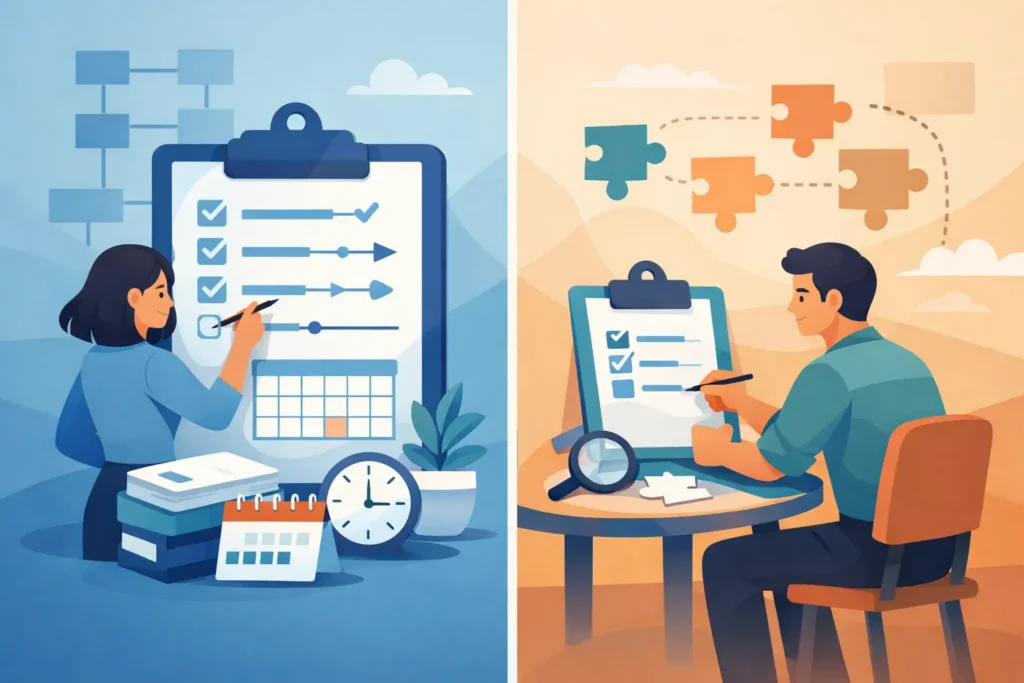
Some events look manageable at first – until the venue contract needs review, the catering timeline shifts, the florist has a question, and three family members suddenly have opinions about the seating chart. That is usually the moment when full planning vs partial planning becomes a very real decision, not just a line item in a proposal.
If you are planning a wedding, gala, quinceañera, Sweet 16, corporate event, or private celebration, the right level of support can shape the entire experience. Not just the event itself, but the months leading up to it. The difference between these two services is not simply how many tasks a planner handles. It is about how much responsibility you want to carry, how complex your event is, and how much room you have for unexpected changes.
What full planning vs partial planning really means
Full planning is the most comprehensive option. It is designed for clients who want expert guidance from the earliest stages through the final guest departure. This usually includes concept development, budgeting, venue research, vendor recommendations, contract oversight, design direction, timeline creation, guest logistics, staffing coordination, rehearsal management when needed, and full onsite execution.
Partial planning is a more limited scope of support. It is often a strong fit for clients who have already secured a few major pieces, such as the venue or key vendors, but want a professional to step in and organize the remaining details. Depending on the planner and the event, that may include refining the timeline, confirming vendor responsibilities, solving gaps in the plan, and managing event-day logistics.
Both options can lead to an exceptional event. The better choice depends on where you are in the process and how much hands-on involvement you want.
When full planning makes the most sense
Full planning is often the right choice when the event has many moving parts or when the stakes are especially high. A large wedding with multiple vendors, a nonprofit gala with sponsorship obligations, or a corporate event with speakers, branding, catering, and guest registration all benefit from centralized oversight. In these cases, the planner is not just helping. They are leading the process and protecting the event from small mistakes that can create major stress.
It is also ideal for clients with limited time. Many people assume they can manage planning in evenings and weekends, only to find that decisions pile up quickly. Vendor calls, budget tracking, layout approvals, rentals, guest communications, transportation, and timing details can turn into a second job. Full planning gives those responsibilities to a professional team so you can stay focused on your work, family, and the reason for the event in the first place.
There is another reason people choose full planning that is often overlooked. They want the event to feel elevated and cohesive, not just completed. A full-service planner can shape the guest experience from the first impression to the last. That includes visual consistency, smart scheduling, hospitality flow, and the kind of behind-the-scenes coordination guests never notice because everything feels polished.
When partial planning is the better fit
Partial planning can be a smart, efficient choice when you have already made meaningful progress. Maybe you booked the venue early, selected your caterer, and have a clear vision for the event. What you need now is structure, expert review, and someone to bring the pieces together.
This option works well for organized clients who are comfortable making decisions and managing some communication on their own. It can also make sense for smaller events with fewer vendors or for clients who want professional support without handing over the entire process.
That said, partial planning is most successful when expectations are clear. If a client starts with partial planning but still needs constant guidance on every decision, the scope can become too limited for the actual workload. That is why honesty matters at the consultation stage. A realistic assessment saves time, protects your budget, and leads to smoother execution.
The biggest difference is not service – it is responsibility
On paper, full planning vs partial planning may sound like a menu of tasks. In practice, the real difference is who is carrying the weight.
With full planning, your planner is responsible for building the framework, managing progress, and keeping every detail aligned. With partial planning, you are still carrying a larger share of the planning load, even if a professional steps in later to refine and coordinate.
That distinction matters because event stress does not usually come from one big issue. It comes from dozens of small decisions, follow-ups, and timeline adjustments. If you want to stay closely involved and you have the capacity to manage those details, partial planning may feel comfortable. If you want a more guided, protected experience, full planning is usually worth it.
Budget matters, but so does value
Many clients start by comparing price, which is understandable. Partial planning usually costs less than full planning because it covers a smaller scope. But the better question is what level of service gives you the best value for your event.
If full planning prevents costly vendor mistakes, timeline problems, duplicate rentals, or design decisions that miss the mark, it may save money in ways that are not obvious upfront. It can also protect your time, which has real value, especially for busy professionals, parents, and organization leaders.
Partial planning can absolutely be cost-effective, especially when you have already completed a strong portion of the work. But it tends to deliver the best value when the event foundation is solid. If major decisions are still unresolved, trying to save money with a limited package can sometimes create more pressure than expected.
Event type plays a major role
Different events call for different levels of support. A wedding with multiple ceremonies, custom décor, transportation, and a large guest count often benefits from full planning because the emotional and logistical demands are high. A quinceañera or Sweet 16 may also need full-service coordination when entertainment, family traditions, formal presentations, catering, and styling all need to work together.
Corporate and nonprofit events can be just as complex, even when they appear more structured. Timed programs, sponsor recognition, audiovisual coordination, guest check-in, staffing, donor management, and brand presentation leave little room for improvisation. In those settings, strong planning support directly affects professionalism and guest confidence.
A smaller private event with a straightforward venue and a short vendor list may be a better match for partial planning, especially if the host has already made the major selections. The point is not that one service is better than the other. It is that event complexity should guide the decision.
Questions to ask before choosing
Before you decide, ask yourself a few honest questions. How much have you actually completed? How comfortable are you managing vendors and contracts? If a problem comes up two weeks before the event, do you want to solve it yourself or hand it to a professional? And on event day, do you want to be available for questions, or do you want to be fully present with your guests?
Those answers usually reveal the right path. People often think they need less help than they really do because they are focused on the visible parts of planning. The hidden work is where planners create the most value.
Why clarity at the start leads to a better event
The strongest planning relationships begin with a clear understanding of scope. That means defining who handles what, when handoff points occur, and where support begins and ends. Whether you choose full planning or partial planning, clarity creates confidence.
At Adam’s Event Planning, that client-first approach matters because no two events have the same priorities. Some clients want comprehensive leadership from day one. Others want to stay involved and bring in professional coordination at the right stage. Either way, the goal is the same – a well-executed event that feels thoughtful, polished, and far less stressful for the people hosting it.
If you are weighing full planning vs partial planning, do not choose based on assumptions about what you should be able to handle. Choose based on the experience you want to have while planning and the standard you want your event to meet. The right support does more than organize details. It gives you space to enjoy what you worked so hard to create.