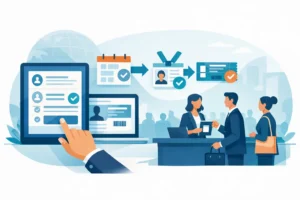

When most people start looking into event planning services, they are usually already feeling the pressure. The venue still is not booked, vendor quotes are coming in from every direction, the guest list keeps changing, and every decision seems connected to ten more. Whether you are planning a wedding, a gala, a corporate launch, or a quinceañera, the real challenge is not just having good ideas. It is turning those ideas into a well-run event without carrying the entire workload yourself.
That is where full-service planning makes a real difference. Good planning support is not limited to a checklist or a few vendor recommendations. It is the structure behind the event, the creative direction that gives it personality, and the operational control that keeps everything moving on schedule. When done well, it gives clients room to enjoy the occasion instead of spending the whole time solving problems.
What event planning services include
A common misconception is that planners only step in to decorate a room or manage the schedule on event day. In reality, professional event planning services can begin at the very first conversation and continue through the final breakdown.
That often starts with clarifying the purpose of the event. A nonprofit fundraiser needs a different planning strategy than a Sweet 16. A corporate conference has different priorities than an anniversary celebration. Before anything is booked, the planner helps define the event goals, guest experience, budget direction, style, and practical requirements. That early clarity saves time later because every decision has a framework behind it.
From there, planning usually expands into venue sourcing, vendor selection, contract review, budgeting, design development, rentals, entertainment coordination, catering logistics, guest management, staffing, timeline creation, and onsite execution. Some events also need transportation planning, hotel coordination, floor plan design, registration support, security planning, or post-event wrap-up.
The exact scope depends on the event and the client. Some people need comprehensive support from start to finish. Others already have a few pieces in place and need an experienced team to pull everything together. The value is not in offering the same package to everyone. It is in building the right level of service around the event itself.
Why full-service event planning services matter
If you have ever tried to manage a major event alone, you already know the biggest issue is not one large task. It is the volume of small, time-sensitive decisions that stack up quickly. One vendor needs a final headcount. Another needs power access confirmed. The venue needs insurance documents. The seating plan changes after RSVP deadlines. Suddenly, what looked manageable becomes a full-time job.
Full-service planning reduces that pressure by centralizing communication and decision-making. Instead of coordinating ten moving parts yourself, you have one team keeping the process organized and accountable. That is especially valuable for clients with demanding schedules, organizations with multiple stakeholders, or families trying to celebrate a milestone without turning it into months of stress.
There is also a financial side to this. Hiring a planner is sometimes viewed as an added expense, but poor planning often costs more. Missed deadlines, duplicate rentals, weak vendor coordination, and last-minute changes can push a budget in the wrong direction fast. An experienced planner helps protect the investment by keeping priorities clear, tracking spending carefully, and preventing avoidable mistakes.
Event planning services for different kinds of events
Not all events need the same approach, and that is exactly why tailored planning matters.
For weddings, the focus often balances beauty and logistics. Clients want the ceremony and reception to feel personal, polished, and emotionally meaningful, but they also need someone to manage setup times, vendor arrivals, floor plans, family coordination, and timeline flow. A beautiful wedding can still feel chaotic without strong production behind it.
For quinceañeras and Sweet 16 celebrations, the event usually carries both emotional and cultural significance. Families are planning a milestone that needs to feel festive, elegant, and memorable while also handling guest count, catering, entertainment, and tradition-specific elements with care. These events often involve many opinions, which makes experienced coordination even more valuable.
Corporate events tend to be judged on precision. Guests may not notice every operational win, but they will notice long check-in lines, poor sound, delayed programming, or a space that does not support the agenda. Planning in this setting requires clear communication, brand awareness, and strong control over timing and presentation.
Nonprofit events add another layer. A gala or fundraiser is not only about guest experience. It is also tied to donor engagement, mission visibility, and revenue goals. The planning has to support the cause while still delivering a polished evening that feels generous, organized, and worth attending.
Private parties can look simpler on paper, but they still require thoughtful management. Birthdays, anniversaries, engagement parties, and family celebrations are often the events where hosts most want to be present. That becomes difficult when they are answering vendor questions, managing setup, or checking whether dinner service is on time.
What to look for in event planning services
The right planner should bring more than enthusiasm. Creative ideas matter, but they need to be matched by organization, communication, and follow-through.
First, look for range. A team that understands design but also handles budgeting, logistics, and vendor management will give you a more complete planning experience. When planning and production are separated too much, details can slip between teams. An integrated approach tends to create better consistency from concept to execution.
Second, pay attention to how they communicate. A strong planner asks clear questions, listens carefully, and translates your priorities into a realistic plan. You should feel guided, not pressured. The process should create confidence, especially if this is your first time planning a large event.
Third, ask how they handle problem-solving. Every event has moving parts, and even well-planned ones require adjustments. The difference is whether those adjustments happen calmly and professionally or turn into visible disruption. Experience matters here. Vendor relationships matter too, because reliable partnerships often lead to smoother coordination and faster solutions.
Finally, make sure the service level fits your actual needs. Some clients want complete management. Others need support with select elements such as design, day-of coordination, or vendor oversight. Neither approach is wrong. What matters is being honest about how much responsibility you want to carry yourself.
The balance between creativity and control
This is where many events succeed or fail. Great events are not built on logistics alone, but they are not built on vision alone either. You need both.
Creativity gives the event character. It shapes the atmosphere, the color story, the guest flow, the entertainment choices, and the details people remember afterward. It is what makes a fundraiser feel elevated rather than routine, or a wedding feel personal instead of generic.
Control is what protects that vision. It keeps deliveries on time, vendors aligned, staffing clear, and the timeline realistic. It prevents a stylish event from becoming an exhausting one. Clients often come in with inspiration but not the framework to execute it. That is where a full-service team brings real value by connecting ideas to action.
At Adam’s Event Planning, that balance is central to the work. The goal is not only to create something beautiful, but to create an event that runs beautifully too.
When event planning services are worth it
If the event is meaningful, high-visibility, or complex, planning support is usually worth serious consideration. That includes events with large guest counts, multiple vendors, custom design elements, formal programming, or tight schedules. It also includes events where the host simply wants to be present instead of managing operations all day.
There are certainly situations where a lighter level of support makes sense. A smaller gathering with a flexible format may not need full-service planning. But once expectations rise, so does the need for structure. The more important the guest experience is, the more valuable professional oversight becomes.
People often wait to ask for help until they feel behind. A better approach is to bring in planning support before the pressure builds. Early guidance usually leads to better vendor choices, stronger budget control, and a more cohesive result.
A well-planned event should feel effortless to the people attending it and reassuring to the person hosting it. That kind of ease does not happen by accident. It comes from thoughtful preparation, careful management, and a team that knows how to carry the details so you do not have to.