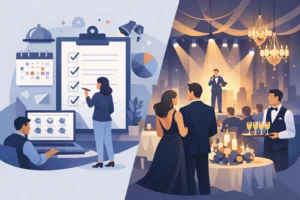
A ballroom full of colleagues is not automatically a successful corporate event. The right room, agenda, food, entertainment, and guest experience must support a clear purpose. The best corporate event formats give teams a reason to participate, help guests feel valued, and make the investment in time and budget worthwhile.
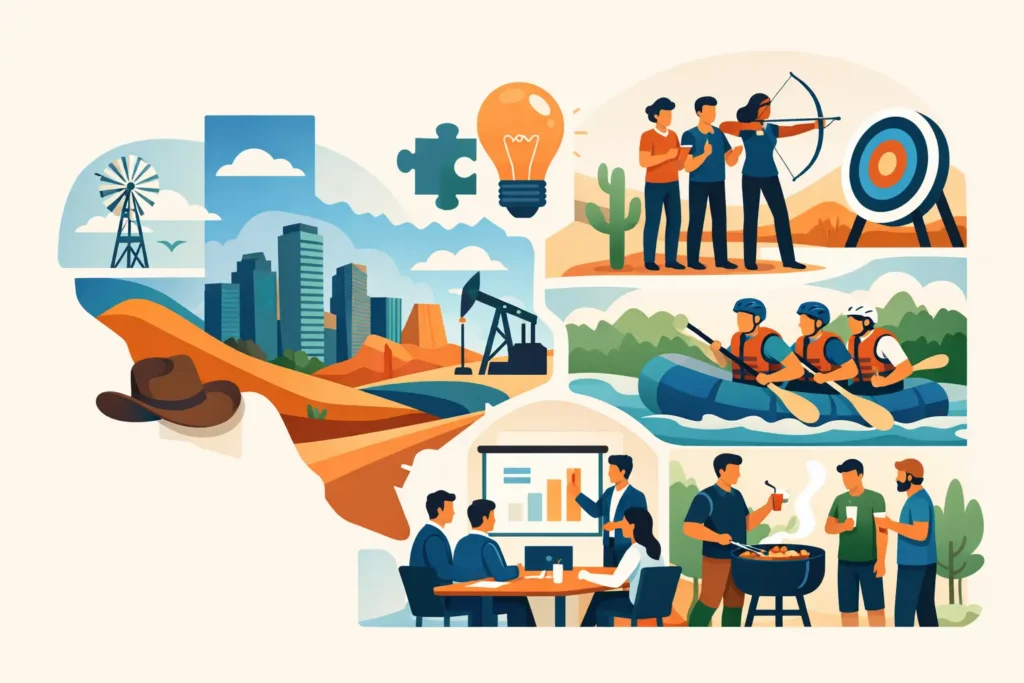
For Texas organizations, that choice also comes with practical considerations. A leadership group may need privacy and focused working time in San Antonio. A growing company may need a polished product launch in Austin. A Houston client event may call for elevated hospitality, strong production, and a program that makes conversation easy. The format should be built around what the organization needs people to think, feel, or do after the event ends.
How to Choose the Best Corporate Event Formats
Start with the outcome, not the décor or venue. If leadership needs alignment, an executive retreat will serve the goal better than a large networking reception. If your company wants to strengthen client relationships, a seated dinner with thoughtful entertainment may be more effective than a packed conference agenda.
Audience size, travel expectations, available budget, and the desired level of formality matter just as much. A 30-person team can have meaningful conversations during an offsite workshop; 300 employees may need a staged presentation, clear registration flow, audiovisual production, and hospitality staff to keep the experience organized. There is no single best format for every company. The best choice is the one that gives your guests a purposeful, well-managed experience.
1. Executive Retreats
Executive retreats create space for senior leaders to step away from daily demands and focus on strategy, priorities, and decision-making. They work especially well for annual planning, leadership transitions, growth discussions, or culture-building among departments that rarely have uninterrupted time together.
The atmosphere should feel considered rather than overly formal. A private venue, comfortable meeting spaces, excellent meals, and room for informal conversation all matter. Build in focused sessions, but leave enough time for connection. A retreat packed wall-to-wall with presentations can feel like a regular office day in a different zip code.
2. Leadership Summits
A leadership summit is a stronger fit when a company needs to bring managers, directors, or regional leaders together around a shared message. These events often combine keynote presentations, breakout sessions, panel discussions, and networking meals.
Production quality matters here because leaders take cues from the event itself. Clear sound, professional staging, branded visuals, timed transitions, and prepared speakers reinforce confidence in the message. The trade-off is that a summit requires careful agenda management. Too many sessions can dilute the priority, while too little interaction can leave attendees disengaged.
3. Sales Kickoff Meetings
Sales kickoffs are built to create momentum. Whether the goal is introducing a new product, setting annual targets, recognizing top performers, or sharpening sales skills, this format should feel energetic, focused, and highly organized.
The strongest programs balance inspiration with useful information. Give attendees a clear view of goals and incentives, then support that message with training, role-specific breakouts, and a celebration that recognizes real achievement. A high-energy opening is memorable, but it must be followed by content sales teams can apply once they return to the field.
4. Conferences and Educational Forums
Conferences work well for organizations that need to share expertise, bring together multiple departments, engage industry partners, or provide professional education. They may range from a half-day internal forum to a multi-day gathering with speakers, sponsors, workshops, meals, and evening receptions.
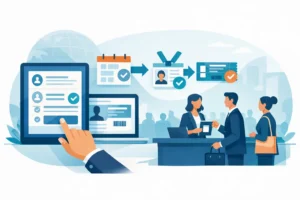
Because conferences involve many moving pieces, attendee experience needs attention from the first invitation through departure. Registration, name badges, signage, session timing, room resets, speaker support, catering, and audiovisual cues all affect how professional the event feels. A detailed run of show keeps the program moving without making guests feel rushed.
5. Product Launches and Brand Activations
A product launch should give guests something to see, test, discuss, and remember. This format is ideal for new offerings, major company announcements, showroom openings, media moments, or partner previews. It can be intimate and exclusive or designed for a larger audience, depending on the product and business objective.
Visual design has an important role, but the event cannot rely on appearance alone. Guests should quickly understand what is new, why it matters, and how it benefits them. Demonstrations, guided experiences, knowledgeable staff, photo moments, and well-timed reveals can make the launch feel exciting without becoming complicated.
6. Client Appreciation Events
Client appreciation events put relationships ahead of presentations. A cocktail reception, private dinner, sporting outing, cultural experience, or holiday celebration can give clients and partners a more personal way to connect with your team.
This format succeeds when the hospitality feels genuine. Great food and drinks are valuable, but the details make the difference: easy arrival, thoughtful seating, a comfortable setting, and enough staff to make every guest feel welcomed. Keep the company message brief. The goal is gratitude and relationship-building, not turning the evening into a sales meeting.
7. Employee Awards and Recognition Galas
Recognition events give organizations an opportunity to celebrate performance, milestones, service anniversaries, and the people behind the work. They are especially effective after a demanding year, during company anniversaries, or when leaders want to reinforce values in a meaningful public way.
An awards gala can be black-tie formal or polished and approachable, depending on company culture. Either way, the recipient experience deserves careful planning. Confirm names, titles, award order, walk-up music, presentation materials, and stage cues in advance. Few moments are more frustrating than an employee being recognized with the wrong information on screen or a delayed transition at the microphone.
8. Team-Building Experiences
Team-building works best when it has a genuine connection to how people work together. It might include culinary competitions, volunteer projects, creative workshops, outdoor activities, problem-solving challenges, or friendly tournament-style games.
Not every team wants the same level of activity. An energetic outdoor event may be perfect for one group and uncomfortable for another, particularly during Texas heat. Consider accessibility, physical comfort, dietary needs, transportation, and weather backup plans before selecting an activity. The best programs invite participation without putting anyone on the spot.
9. Town Halls and Company Meetings
Town halls are often underestimated because their purpose is straightforward: communicate clearly with the full organization. Yet a well-produced town hall can build trust, explain change, celebrate progress, and give employees a direct connection to leadership.
The format should make information easy to absorb. Use concise presentations, visual support, moderated questions, and a realistic agenda. For hybrid audiences, test remote participation carefully. Employees joining from another office or home should be able to hear, see, and engage just as confidently as those seated in the room.
10. Corporate Galas and Fundraising Events
For companies supporting a charitable cause, hosting a foundation event, or inviting stakeholders to a formal celebration, a corporate gala offers a polished platform for generosity and connection. Dinner, entertainment, auctions, sponsor recognition, and mission-driven storytelling can work together to create a memorable evening.
This format requires a strong balance between elegance and logistics. Guests should understand the cause, know how to participate, and feel appreciated throughout the night. Fundraising components need clear messaging, accurate tracking, and smooth transitions so the program feels intentional rather than interrupted by requests.
Production Details That Protect the Guest Experience
A corporate event format is only as strong as its execution. Venue selection affects arrival, parking, room flow, accessibility, and the overall tone. Vendor coordination affects everything from catering service and floral design to entertainment timing and audiovisual reliability. Even small details, such as registration staffing and clear directional signage, shape the first impression.
This is where full-service planning provides real value. A detailed budget protects priorities. Vendor negotiations and contracts help avoid surprises. A production timeline gives speakers, caterers, decorators, technicians, and staff a shared plan. Onsite management gives your internal team the freedom to welcome guests, support leadership, and participate in the event rather than solve last-minute problems.
Adam’s Event Planning approaches corporate gatherings with both creative vision and operational control, helping Texas organizations design events that reflect their goals while keeping every major detail accounted for.
Choose a format that respects your guests’ time and gives your message room to land. When the purpose is clear and the experience is thoughtfully managed, attendees leave with more than a name badge and a catered meal – they leave with a stronger connection to your organization.